
Stretching is a wonderful way to enhance your physical health, increase flexibility, and reduce muscle tension—all from the comfort of your own home. For beginners, starting a stretching routine might seem a bit intimidating or confusing, but with the right guidance, it can become an enjoyable and rewarding daily habit. This guide will walk you through the basics of stretching at home, including simple exercises, tips for safety, and ways to stay motivated.
Why Stretching Matters
Stretching offers numerous benefits that affect your body and mind:
– Improves flexibility and range of motion
– Reduces muscle stiffness and soreness
– Enhances blood circulation
– Prepares your body for physical activity
– Promotes relaxation and stress relief
By including stretching in your daily routine, you can maintain better posture and reduce the risk of injury both during exercise and everyday movements.
Getting Started: What You’ll Need
The best part about stretching at home is that you don’t need any special equipment. Here’s what will help:
– Comfortable clothing that allows free movement
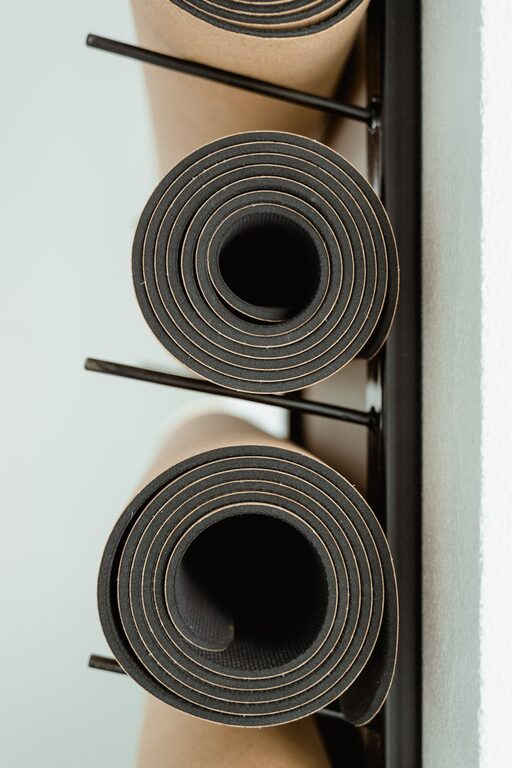
– A yoga mat or soft surface to sit or lie on if needed
– A quiet space where you won’t be disturbed
– Water bottle to stay hydrated
No expensive gear or gym memberships are required—just your willingness to move and take care of your body.
Basic Stretching Guidelines for Beginners
Before you begin, keep these tips in mind to ensure your stretching is safe and effective:
- **Warm up first:** Stretching cold muscles can cause injury. Spend 3–5 minutes doing light activity like walking or jogging in place to raise your body temperature.
- **Don’t bounce:** Avoid bouncing or forcing yourself into stretches; hold each stretch steadily to allow your muscles to relax.
- **Hold stretches 15–30 seconds:** This duration helps muscles lengthen properly.
- **Breathe deeply:** Focus on slow, deep breaths to enhance relaxation.
- **Listen to your body:** Stretch only to the point of mild tension, never pain.
- **Stretch regularly:** Aim for at least 3–4 times per week to see improvement.
Essential Stretches to Try at Home
Here are some beginner-friendly stretches targeting key muscle groups:
1. Neck Stretch
– Sit or stand tall.
– Slowly tilt your head to one side, bringing your ear toward your shoulder.
– Hold for 20 seconds, then switch sides.
– This helps relieve neck tension from daily activities like computer work.
2. Shoulder Stretch
– Extend one arm straight across your chest.
– Use the opposite hand to gently pull the arm closer to your chest.
– Hold for 20–30 seconds then repeat on the other side.
– This stretch is great for shoulders and upper back.
3. Cat-Cow Stretch (Spine Mobility)
– Get on your hands and knees on a mat.
– Arch your back upward (cat pose) then slowly drop your belly and lift your head (cow pose).
– Repeat 8–10 times.
– This move improves spinal flexibility and relieves tension.
4. Seated Hamstring Stretch
– Sit on the floor with one leg extended and the other bent with the foot against your inner thigh.
– Reach toward the toes of your straight leg while keeping your back as straight as possible.
– Hold for 20–30 seconds, then switch legs.
– Helps loosen tight hamstrings which can affect posture.
5. Quad Stretch
– Stand near a wall or chair for balance.
– Bend one knee bringing your heel toward your buttocks and hold your ankle with your hand.
– Keep your knees close together and your back straight.
– Hold for 20–30 seconds, then switch legs.
– This stretch targets the front of your thighs.
6. Child’s Pose
– Kneel on the floor and sit back on your heels.
– Reach your arms forward and lower your chest toward the floor.
– Hold for 30 seconds or more.
– Great for relaxing the back and hips.
Creating a Simple Stretching Routine
For beginners, consistency matters more than complexity. Here’s an easy routine you can follow 3–4 times a week:
- Warm up with light walking or marching in place (3 minutes)
- Neck stretch (both sides)
- Shoulder stretch (both sides)
- Cat-Cow pose (10 reps)
- Seated hamstring stretch (both legs)
- Quad stretch (both legs)
- Child’s pose (30 seconds)
- Deep breathing for 1–2 minutes to finish
This routine takes about 15 minutes and covers major muscle groups to improve flexibility and relaxation.
Tips to Stay Motivated
– Set a specific time each day for your stretches to develop a habit.
– Use a smartphone reminder or calendar alert.
– Play soothing music or podcasts to make the experience enjoyable.
– Track your progress by noting how your flexibility improves.
– Invite a family member or friend to join you for accountability.
When to Be Careful
Stretching is generally safe, but certain conditions require extra caution:
– If you have existing injuries or chronic pain, consult a healthcare professional before starting.
– Avoid any stretch that causes sharp pain or discomfort.
– Pregnant individuals should follow stretches recommended by their healthcare provider.
Listening to your body is key to preventing harm.
Final Thoughts
Starting a stretching routine at home is a simple, affordable way to improve your wellbeing. By dedicating just a few minutes regularly, you can enhance flexibility, reduce tension, and feel more relaxed throughout your day. Remember to start slowly, be consistent, and most importantly, enjoy the process of connecting with your body. Happy stretching!
—
Feel free to share your stretching progress or questions in the comments below. Your journey to better flexibility starts today!